
Motorcycle specifications YamahaYZF-R6 600 2012 Give it some gas!


presentation of the YZF-R6 600 2012
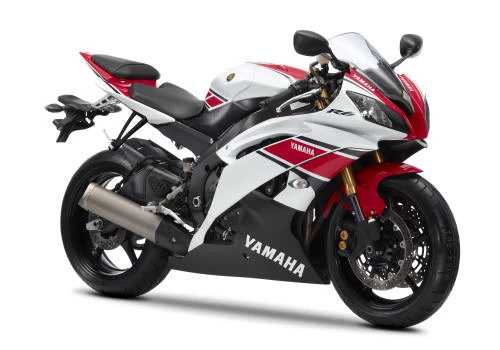
no changes for the 2012 R6, apart from a bonus Akrapovic exhaust, and a superb motoGP replica color scheme with the WGP 50th anniversary limited series. A pistard to the tip of its connecting rods, the magic of the R6 is still very much alive, even more so after the 2010 update. Don't look at the design, you won't see anything - it's all in the mechanics. The muffler is ten centimetres longer, bringing it into line with the latest emission standards and improving the flow of exhaust gases. Yam has worked hard on the air intake and electronic engine management. A larger airbox eats 1/3 liter from the fuel tank. But these modifications give 10% more torque and better mid-range availability. On the scales, the R6 gains 4 kilos.
Being the most extreme 600 sports bike doesn't exempt you from a thankless but indispensable law: evolution. And even when your name is R6, you can't escape it. But miss pistarde isn't worried. With Yamaha engineers at the helm, and an incredibly formidable potential on the track, the 2010-2012 version of this furious 600, like the 2008, is sure to delight many.
starting with technology enthusiasts. After adopting the YCC-T ( drive by wire ) throttle control system, the R6 now steals the YCC-I (Yamaha Chip-Controlled Intake) variable intake from its R1 sibling. A unit in the airbox that allows you to modify the length of the intake cones.
The intake manifold is divided into 2 sections, the upper one being movable, activated by an electronically-controlled servo-motor. At low revs, to improve torque, the horns are uncoupled and air flows through the lower section, resulting in short intake manifolds. This improves engine response to acceleration.
Higher up the rev range, at a certain rpm, the upper section lowers and covers the base horns. As a result, the intake manifolds are longer, providing more gniak at higher revs. A modification to the airbox was essential, and its orifice was also improved to reduce air resistance.

13.1 to 1, sound familiar? That's the compression ratio in the cylinders of the new R6. Quite simply, the highest compression ratio ever adopted on a production Yam. With 12.8 to 1 on the old model, it was already compressing quite a lot. But now, it's getting really strong. This was made possible by new high-compression pistons. Distinctive feature: their slightly convex caps allow a "sloping roof" combustion chamber.
The internal modifications don't stop there: the cylinder head recesses have been hollowed out to accommodate the four ultra-light titanium valves. To cope with the increased loads created by these new pistons, the connecting rod bearings have been enlarged, and the main bearing lubrication port has been redesigned. In addition, the intake and exhaust valve springs are now made from a more durable alloy, guaranteeing consistent, efficient valve work under extreme driving conditions on the racetrack. The timing chain tensioner now benefits from a palladium carbide treatment designed to harden its surface and guarantee consistent chain running quality.
On the exhaust side, the intermediate silencer at the outlet of the 2nd and 3rd cylinder pipes has been enlarged by 30%, again with a view to improving low-end torque.

thanks to its mastery of die-casting technology, Yamaha has redefined the rigidity distribution of the frame by modifying the wall thickness of the two side beams, particularly at the rider's knees. At the same time, the wall of the steering column has been thickened to increase rigidity, while the cross-member connecting the left and right sides of the Deltabox frame disappears on the 2008 model, as it did on the 2007 R1.
These changes are almost impossible to see with the naked eye, but are intended to improve handling and increase the R6's cornering precision. Nothing is left to chance in this respect: the new fork stanchions also benefit from differently distributed rigidity, a new lower triple clamp and a longer triple clamp offset. Braking on this formidable front end remains the excellent double 310 mm disc with 4-piston radial calipers; the only change is in disc thickness, up from 4.5 to 5 mm.
you know magnesium as the material used for crankcases and certain frame components. On the new R6, it is also used for the rear c
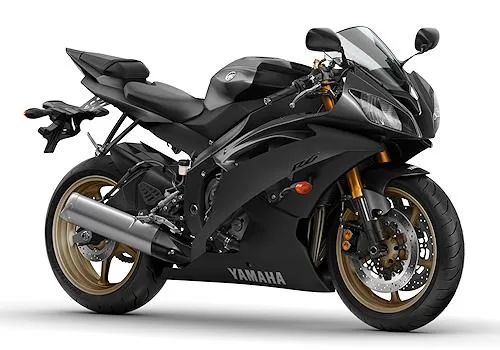
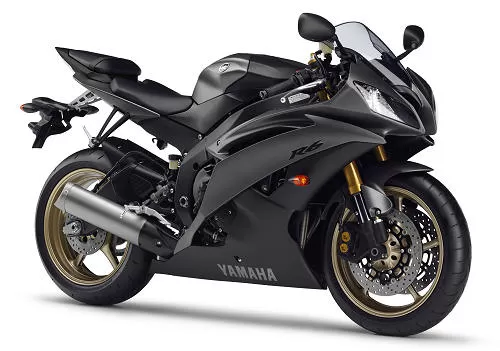
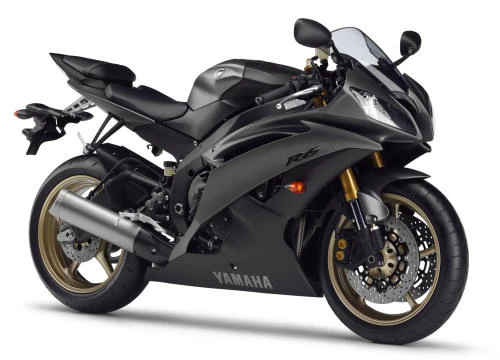
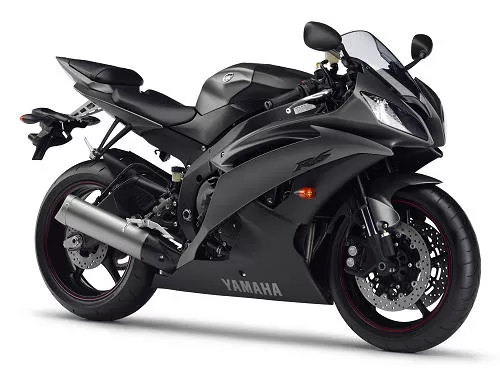
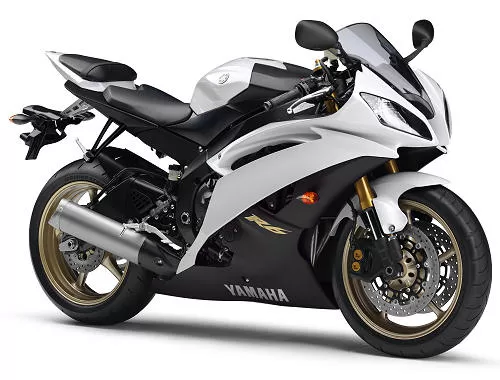
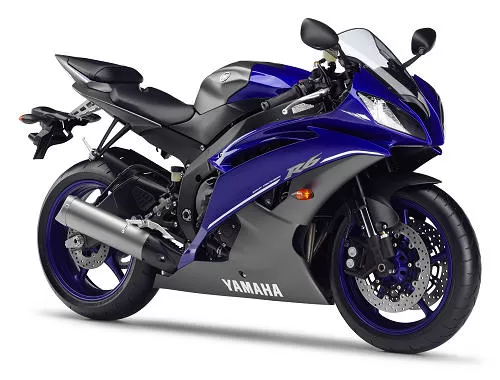
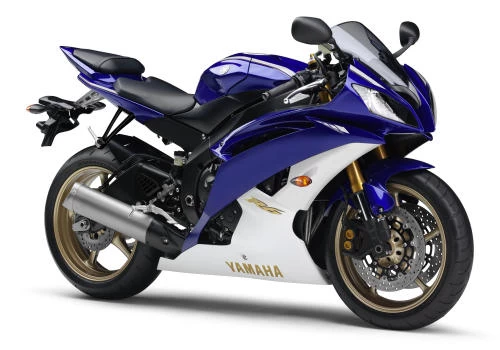
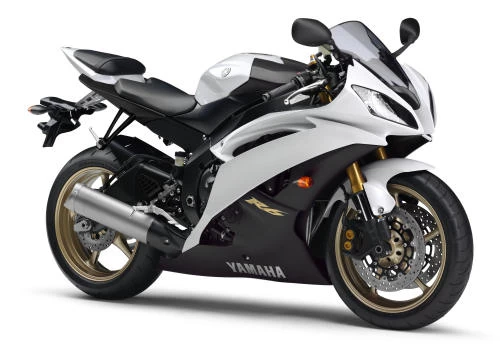
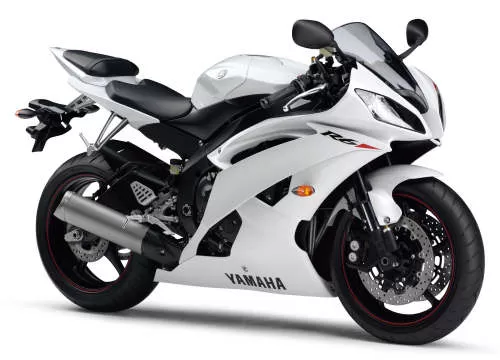
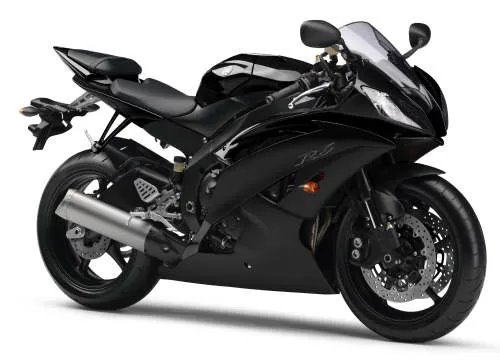
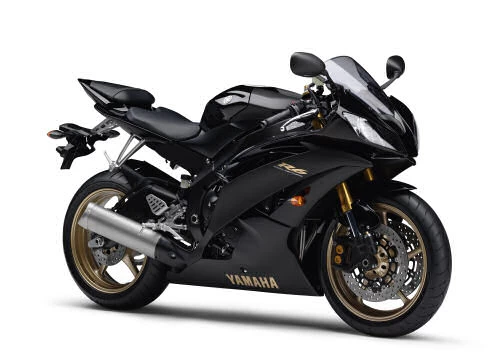
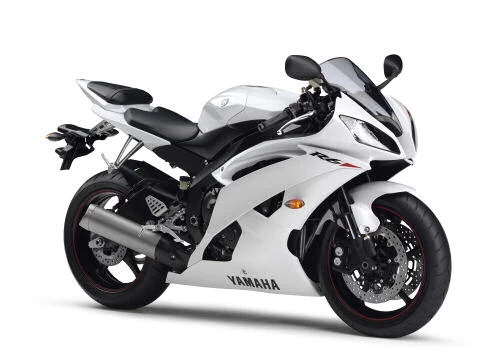
aesthetically, it's subtle, yet the R6 has gained (just a little) in dynamism. But you'll have to pay close attention to see that the upper edges of the sides have been redesigned, the mounting point for the mirrors has been tweaked, the new bubble is topped by an even sharper beak, and the top of the fuel tank has been slightly redesigned. A few tweaks, but a design that's still incredibly aggressive and resolutely irresistible: as if adrenalin had guided the designer's pencil. The little finishing touch we loved: the sand-gold rims, as on the R1 SP version.
the YZF-R6 is extremely efficient on the track, and looks set to stay ahead of the pack for a long time to come. A little cosmetic tweaking, even more electronics and technological aids, more watts, a further optimized chassis... Evolution is a beautiful thing!
M.B
Manufacturer'sphotos
by Greg

 Share
Share
Key facts Yamaha YZF-R6 600 (2012) : What you need to know before you buy
Highlights
- Even more formidable
- Revised chassis and engine
- Assertive style
- More availability
Weak points
- Exclusive
- Recipe
- Driving position (off-road)
Prices
| Basic version | |
|---|---|
 France France |
12,499€
|


Performance
- Max speed : approximately 270 km/h (167.80 mph)
History

Specifications Yamaha YZF-R6 600 2012
- Chassis
- Frame : deltabox double alu beam
- Fuel capacity : 17 liters (4.49 US gallons)
- Seat height : 850 mm (33.46 in)
- Length : 2,040 mm (80.32 in)
- Width : 705 mm (27.76 in)
- Min height : 1,100 mm (43.31 in)
- Wheelbase : 1,380 mm (54.33 in)
- Dry weight : 170 kg (375 lb)
- Weight when fully loaded : 189 kg (417 lb)
- Front axle
- Reverse telehydraulic fork Ø 41 mm, Wheel travel : 115 mm (4.53 in)
- Braking 2 discs Ø 310 mm (12.2 in), radial mounting, 4-piston caliper
- Front tire : 120 / 70 - 17 → Order this type of tire
- Transmission
- 6 stage gearbox
- Secondary by chain
- Rear axle
- Mono-damper, Wheel travel : 120 mm (4.72 in)
- Braking 1 disc Ø 220 mm (8.66 in), 2-piston caliper
- Rear tire : 180 / 55 - 17 → Order this type of tire
- Motor
- 4 cylinders online , 4 strokes
- injection
- Cooling system : liquid
- 2 ACT
- 4 valves per cylinder
- 600 cc
- 124 ch (122.30 hp) to 14,500 rpm
- 135 hp with ram air
- 6.70 mkg to 11,000 rpm
- Power-to-weight ratio : 1.39 kg/ch
- Weight / torque ratio : 25.37 kg/mkg
- Compression : 13.1:1
- Practical information





Models
2016
2015
2014
2013
2012
2011
2010

Used



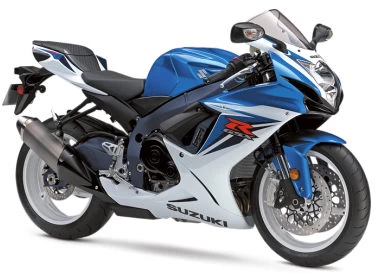


Compare the YZF-R6 600 to its competitors
Acceleration
Fuel consumption
Range
Torque
Power
Power-to-Weight ratio
Torque-to-Weight ratio
Speed
FAQ Your frequently asked questions about the YZF-R6 600 2012
- What is the power of the YZF-R6 600 2012?
-
The YZF-R6 600 2012 develops a power of 124 ch (122.30 hp)
- What is the torque of the YZF-R6 600 2012?
-
The maximum torque of the YZF-R6 600 2012 is 6.70 mkg to 11,000 rpm.
- What is the maximum speed of the YZF-R6 600 2012?
-
The YZF-R6 600 2012 is capable of reaching a top speed of approximately 270 km/h (167.80 mph) on the track.
- What is the weight of the YZF-R6 600 2012?
-
The YZF-R6 600 2012 has a a dry weight of 170 kg (375 lb), a weight when fully loaded of 189 kg (417 lb).
- QWhat is the seat height of the YZF-R6 600 2012?
-
To ensure good accessibility, the YZF-R6 600 2012 offers a minimum seat height of 850 mm (33.46 in).
- What is the price of the YZF-R6 600 2012?
-
The price of the YZF-R6 600 2012 is 12,499€ in France
- What colors are available for the YZF-R6 600 2012?
-
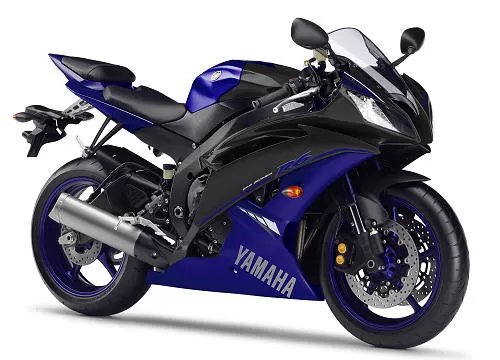
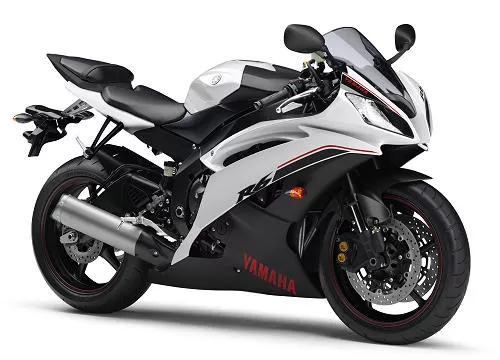
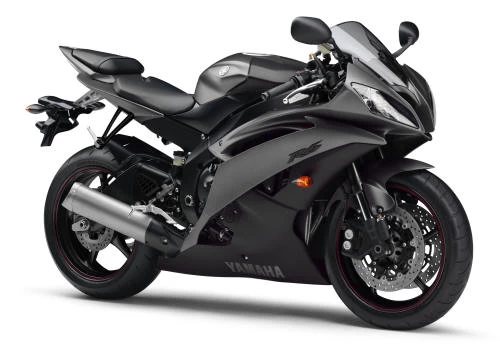
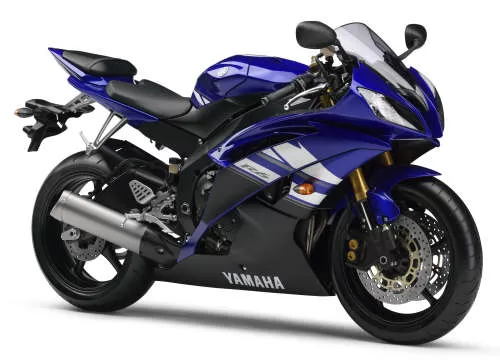
For the 2012 model year, the YZF-R6 600 is available in several colors: black, blue, white and red / white.
News
-
New motorcycle products for 2026

-
Bridgestone announces the RS12, its new road-race weapon.
-
Yamaha Race Like A Girl: Natalia Rivera in episode 5.
-
Bridgestone presents the Battlax V03, its new slick tire.
-
With Sartoria Meccanica, MV-Agusta aims to go beyond premium.
-
Upgrading the entire Bonneville family for 2026.
-
Metzeler unveils three new tires at EICMA.
-
World Superbike celebrates 70 years of Yamaha.
-
Exceptional: some thirty new Triumphs in 2026.
-
40.000 bikers for the Royal-Enfield "One Ride" 2025.



Bikers' reviews Leave a review - 6 reviews
ex: YCC-I adopted on the 2015 model, although already adopted on the 2008 model
etc etc
that's enough of my reading! Rating : 1/5 Respond to Fred
i love it
great perfection Rating : 5/5 Respond to nadine